

Bachelor of Law and Sharia (LLB) – Affiliated with the University of Swat
Complete Guide for New Students
Legal education plays a vital role in shaping a society governed by justice, fairness, and the rule of law. In Pakistan, the demand for qualified lawyers, legal advisors, and Sharia scholars is continuously increasing. One of the most valuable academic pathways for students interested in law is the Bachelor of Law and Sharia (BS-LLB) program affiliated with the University of Swat.
Students in Swat and surrounding areas now have the opportunity to study this program through institutions such as Swat Degree College of Technology, which provides access to quality legal education locally. This article provides a complete guide for new students who want to pursue this degree, including eligibility criteria, admission procedure, tests required, course structure, career opportunities, and more.
Introduction to the University of Swat

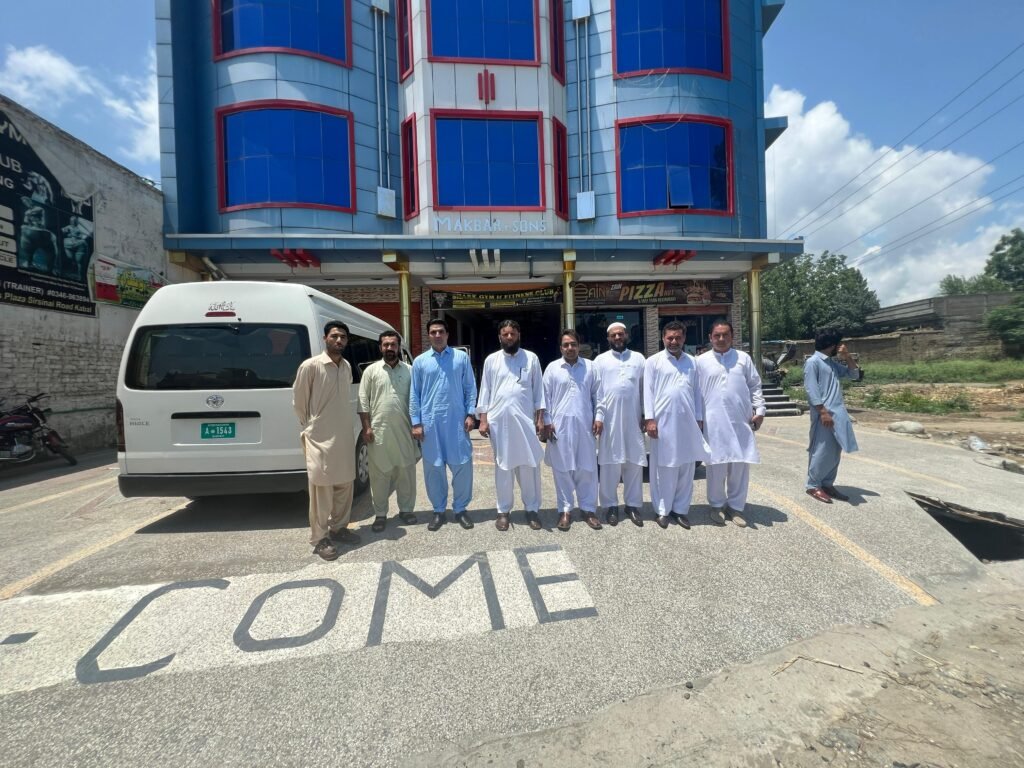
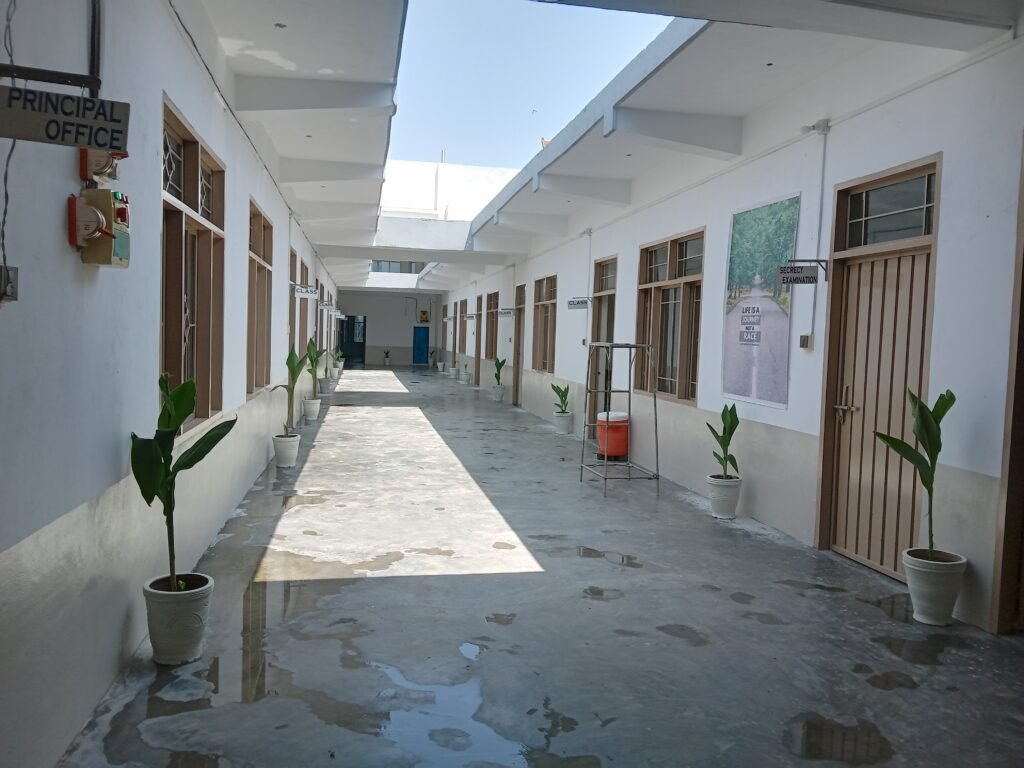

The University of Swat, located in Charbagh in the beautiful Swat Valley of Khyber Pakhtunkhwa, was established in 2010 to provide higher education opportunities to students in the region. Over the years, the university has expanded rapidly and now offers programs in many academic disciplines including science, social sciences, business, and law. (uswat.edu.pk)
The university is recognized by the Higher Education Commission (HEC) of Pakistan and is committed to promoting research, innovation, and professional education. One of its important programs is the BA-LLB Law and Sharia, which combines civil law with Islamic jurisprudence.
Affiliated colleges such as Swat Degree College of Technology help extend the reach of the university so that more students can benefit from higher education without leaving their region.
What is Bachelor of Law and Sharia (BA-LLB)?
The Bachelor of Law and Sharia is a professional undergraduate degree designed for students who want to pursue careers in law, legal practice, judiciary, Islamic law, and public service.
This program integrates:
- Pakistani Constitutional Law
- Civil and Criminal Law
- Islamic Jurisprudence (Sharia)
- Legal Research
- Court Practice and Procedure
The degree is typically a five-year program divided into semesters and includes theoretical learning, legal research, and practical exposure such as internships and moot courts.
Students graduating from this program can later enroll in the Pakistan Bar Council for legal practice after fulfilling the required conditions.
Why Study Law and Sharia in Swat?


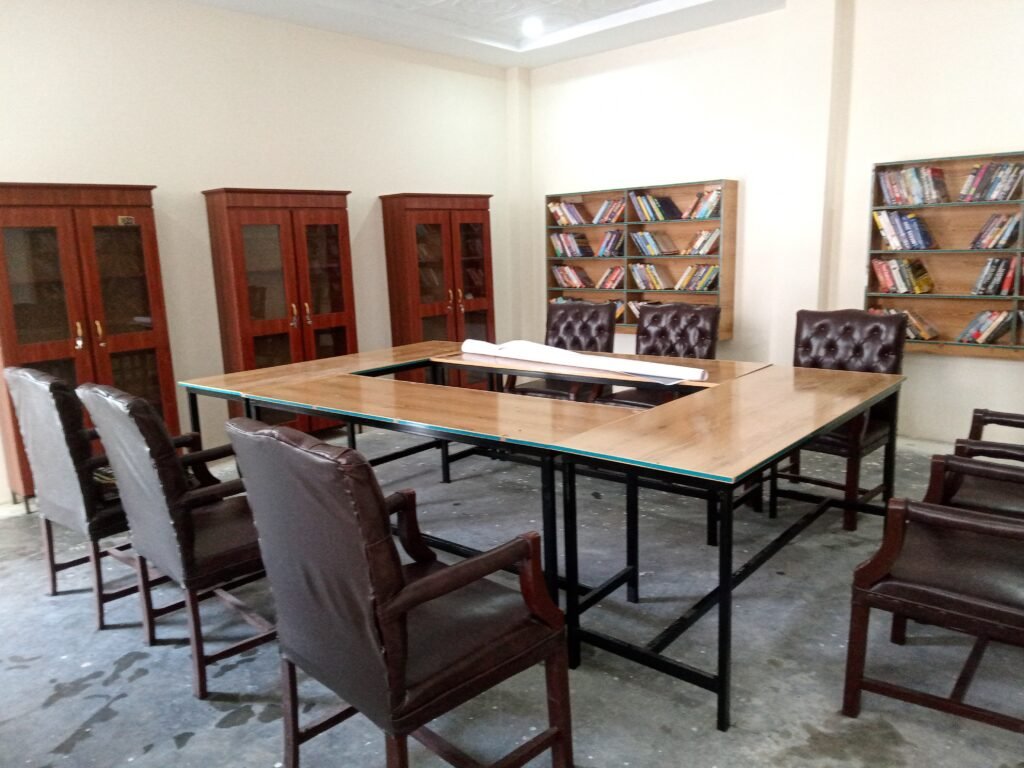
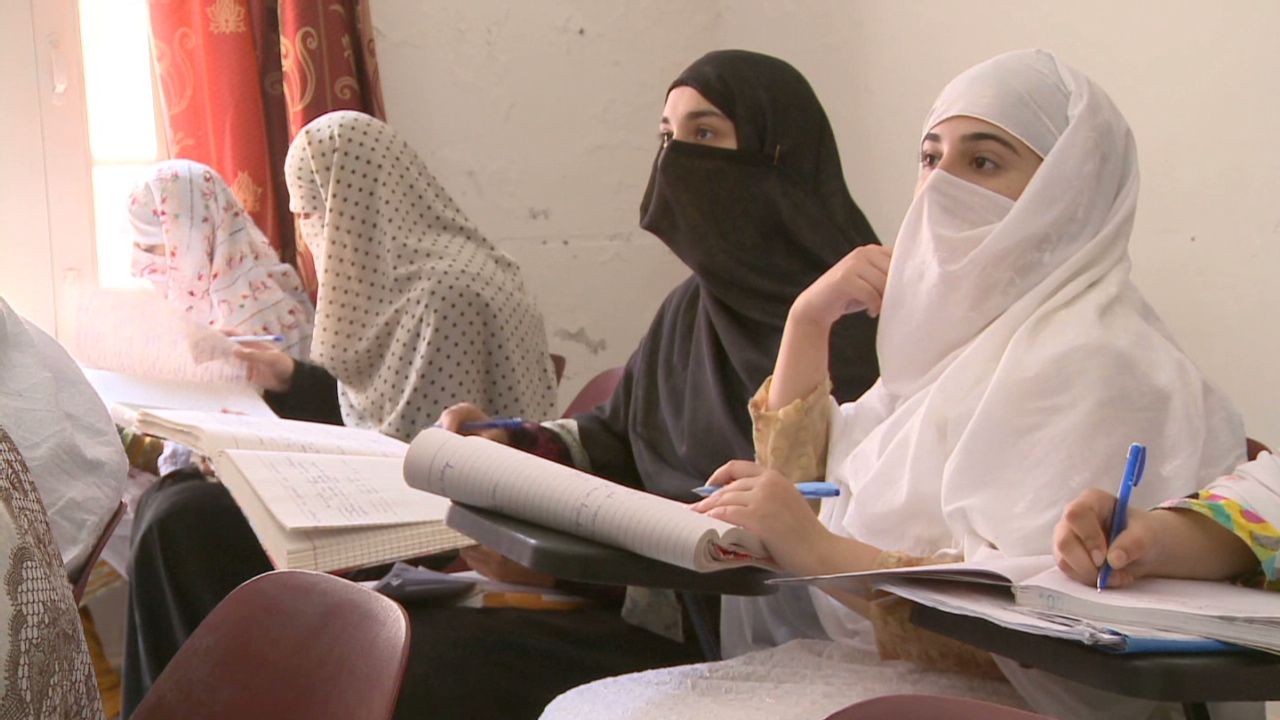
There are several advantages to studying law in Swat rather than moving to a faraway city.
1. Affordable Education
Local institutions reduce accommodation and travel costs for students.
2. Growing Educational Hub
Swat has become an important education center in northern Pakistan.
3. Cultural and Islamic Learning Environment
The integration of Islamic law with civil law suits the social and religious context of the region.
4. Opportunity for Local Students
Students who cannot relocate to big cities still receive quality higher education.
5. Peaceful Learning Atmosphere
Swat Valley provides a calm and inspiring environment for study.
About Swat Degree College of Technology
Swat Degree College of Technology is one of the institutions offering programs affiliated with the University of Swat. The college focuses on providing practical and professional education to students in the region.
The college aims to:
- Provide quality education
- Prepare students for professional careers
- Develop leadership skills
- Promote research and innovation
By offering the Bachelor of Law and Sharia program, the college allows local students to pursue legal studies without leaving Swat.
Program Duration
The BA-LLB Law and Sharia program typically lasts five years.
Structure
| Year | Focus |
|---|---|
| Year 1 | Foundation courses and basic legal studies |
| Year 2 | Islamic law and legal principles |
| Year 3 | Constitutional and civil law |
| Year 4 | Criminal law, international law, legal research |
| Year 5 | Specialization, internship, research project |
The program usually consists of around 168 credit hours including compulsory courses, major subjects, electives, and practical work.
Admission Requirements
Students who want to apply for the Bachelor of Law and Sharia must meet the eligibility criteria set by the university and the Higher Education Commission.
Minimum Qualification
Applicants must have completed:
- FA
- FSc
- ICS
- ICom
- A-Levels
- Or equivalent education
A minimum second division or required marks is usually necessary for eligibility. (site.szabul.edu.pk)
Required Documents
Students must submit:
- Academic transcripts
- CNIC or B-Form
- Passport size photographs
- Admission application form
- LAT test result
These documents are necessary during the admission process.
Law Admission Test (LAT)
One of the most important requirements for admission in any law program in Pakistan is the Law Admission Test (LAT) conducted by the Higher Education Commission (HEC).
Why LAT is Required
The test ensures that students entering the legal profession have the basic analytical, writing, and reasoning skills necessary for studying law.
Weightage in Admission
In many institutions, the merit calculation includes:
- LAT Score – 70%
- Intermediate Marks – 20%
- Matric Marks – 10%
LAT Test Format
The test usually includes:
- English
- General Knowledge
- Pakistan Studies
- Islamiat
- Mathematics / Analytical reasoning
- Essay writing
- Personal statement
Passing the LAT is compulsory before admission to LLB programs in Pakistan. (LearningAll)
Admission Process Step by Step
Here is the general procedure students follow to apply for the BA-LLB program.
Step 1 – Pass Intermediate
Complete FA/FSc or equivalent education.
Step 2 – Register for LAT
Apply online on the HEC testing portal and take the Law Admission Test.
Step 3 – Apply to College
Submit admission form to the affiliated college.
Step 4 – Submit Documents
Provide academic certificates, CNIC, and LAT result.
Step 5 – Merit List
The university or college prepares merit lists.
Step 6 – Interview / Verification
Some institutions conduct interviews or document verification.
Step 7 – Fee Submission
Selected candidates submit the fee to confirm admission.
Subjects Studied in LLB Sharia
Students study a wide range of legal subjects during the five-year degree.
Core Law Subjects
- Constitutional Law
- Contract Law
- Criminal Law
- Civil Procedure Code
- Law of Evidence
- Property Law
- Administrative Law
- International Law
Islamic Law Subjects
- Islamic Jurisprudence
- Principles of Sharia
- Islamic Family Law
- Islamic Criminal Law
- Quran and Hadith Studies
Skills Courses
- Legal Writing
- Legal Drafting
- Moot Court Practice
- Legal Research Methods
These subjects help students understand both modern legal systems and Islamic law.
Skills You Will Learn
Studying law develops many important professional skills.
Critical Thinking
Students learn how to analyze legal issues and interpret laws.
Argument and Debate
Law education strengthens communication and persuasion abilities.
Legal Writing
Students learn drafting of legal documents and case arguments.
Research
Legal research skills are essential for lawyers and judges.
Problem Solving
Law students analyze real cases and propose solutions.
These skills are useful not only in legal careers but also in government, business, and academia.
Career Opportunities After LLB Sharia
Graduates of the program can pursue many professional paths.
Advocate / Lawyer
After passing bar requirements, graduates can practice in courts.
Judge
With experience and exams, one can become a judge.
Legal Advisor
Work in companies, banks, and organizations.
Government Service
Join legal departments in government institutions.
Academia
Teach law in universities and colleges.
Researcher
Work in think tanks and policy organizations.
Islamic Law Specialist
Work in Sharia courts and Islamic advisory roles.
Law is considered one of the most respected professions in Pakistan.
Importance of Studying Law and Sharia Together
Pakistan has a legal system influenced by both common law and Islamic law. Therefore, lawyers who understand both systems have a strong advantage.
Benefits include:
- Understanding Islamic legal principles
- Handling family and inheritance cases
- Working in Sharia courts
- Advising Islamic financial institutions
- Contributing to legal reforms
This combination makes graduates highly valuable in society.
Facilities for Law Students
Many affiliated colleges and universities provide facilities such as:
Law Libraries
Access to legal books, case reports, and research journals.
Moot Courts
Practice courtrooms for mock trials and legal practice.
Seminars and Workshops
Guest lectures by lawyers and judges.
Internship Opportunities
Practical training in law firms and courts.
Research Opportunities
Students can work on legal research projects.
These facilities help students gain real-world experience.
Importance of Legal Education in Pakistan
Legal education plays an important role in the development of a country.
It helps in:
- Promoting justice
- Protecting human rights
- Strengthening democracy
- Ensuring rule of law
- Developing responsible citizens
Law graduates contribute to social change and national development.
Challenges of Studying Law
Although law is a rewarding career, it requires dedication.
Students must be prepared for:
- Extensive reading
- Case law analysis
- Legal writing
- Court procedures
- Continuous learning
Success in law requires patience, discipline, and strong analytical skills.
Tips for Students Wanting to Study Law
Here are some useful tips for beginners.
Improve English Skills
Most legal materials are written in English.
Develop Reading Habits
Law involves reading large amounts of case law.
Practice Writing
Legal arguments require clear writing.
Stay Updated
Follow legal news and court decisions.
Participate in Debates
Debating improves reasoning and confidence.
Future of Law Education in Swat
The demand for legal education in Swat is increasing rapidly.
Factors contributing to this growth include:
- Expansion of universities
- Increased awareness about legal rights
- Growing population
- Demand for legal professionals
- Development of local courts
Institutions like Swat Degree College of Technology play an important role in this educational development.
Conclusion
The Bachelor of Law and Sharia affiliated with the University of Swat is an excellent opportunity for students who want to build careers in law, justice, and Islamic jurisprudence. The program combines modern legal education with Islamic legal principles, preparing graduates for diverse professional roles.
Through affiliated institutions such as Swat Degree College of Technology, students from Swat and surrounding regions can access quality legal education close to home. With the proper preparation, passing the LAT test, and dedication to study, students can enter one of the most respected professions in society.
Law is not just a degree—it is a responsibility to uphold justice, protect rights, and serve the community.